Complete Guide to the Hardfacing Welding Process: Techniques, Materials, and Applications
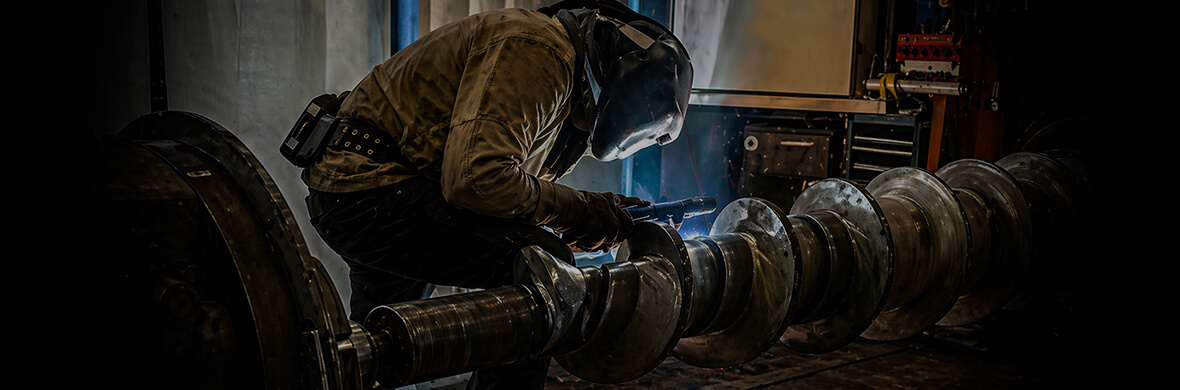
In heavy industry, excavator buckets, crusher jaws, kiln rollers, drill components: every one of these surfaces is fighting a battle against abrasion, impact, and heat. It is only a matter of time.
Replacing them each time they degrade is expensive. So the hardfacing welding process offers a more practical answer.
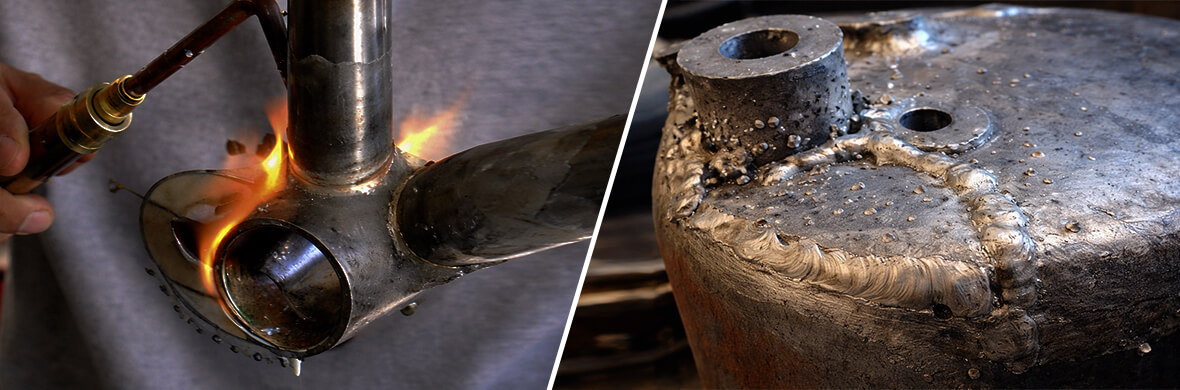
Hardfacing deposits a layer of wear-resistant alloy onto a base metal surface, either to protect a new component before it enters service, or to restore one that has already worn down. Done correctly, component service life can increase two to three times depending on the operating conditions.
What Hardfacing Actually Does
Standard welding joins two pieces of metal. Hardfacing is different because the goal is surface protection, not structural connection.
A hard alloy layer, typically 1 to 10 mm thick, is fused onto the base metal using heat. Because the base metal partially melts during deposition, the two materials merge at the interface. This metallurgical bond is what separates hardfacing from surface coatings that can peel under load.
Hardfacing can be applied to carbon steels, low-alloy steels, manganese steels, stainless steels, cast iron, and nickel or copper-base alloys. It does not suit soft base metals subject to flexing or shear stress; the hard deposit needs a stable foundation to bond to and perform from.
The Hardfacing Process: Step by Step
Getting hardfacing right depends as much on preparation and material selection as it does on the welding itself.
- Surface preparation is non-negotiable. Rust, grease, oil, work-hardened surfaces, and existing damage need to be removed before deposition. If cracks are present in the base metal, they should be gouged out and repaired first. Skipping this causes poor bonding, spalling, or cracks that propagate into the parent material later.
- Preheat requirements vary by base metal. If you’re working with higher-carbon steels, low-alloy steels, tool steels, or most cast irons, preheating is required. This is to reduce thermal shock, minimise distortion, and prevent underbead cracking. Manganese steel is the exception: it must not be preheated, as sustained heat above 260°C destroys its toughness.
- Buffer layers are often needed when hardfacing over soft base metals or building up a heavily worn component. They provide a transition zone between the base and overlay, prevent the hard deposit from sinking under load, and stop check cracks from extending into the parent metal.
- Material deposition follows once preparation is complete. Short, controlled passes keep heat input in check — the longer the arc burns in one area, the more the base metal melts into the deposit. This weakens the wear resistance of the overlay. More than one layer is common, and how each one cools before the next is laid matters too.
- Post-weld finishing depends on what the component needs to do. Some parts go straight back into service with a rough surface; others need grinding or machining to hit a dimensional spec.
Hardfacing Techniques: Choosing the Right Process
Pick the wrong process, and you pay for it in dilution, poor surface quality, or a deposition rate that makes the job uneconomical. Each method has a different strength.
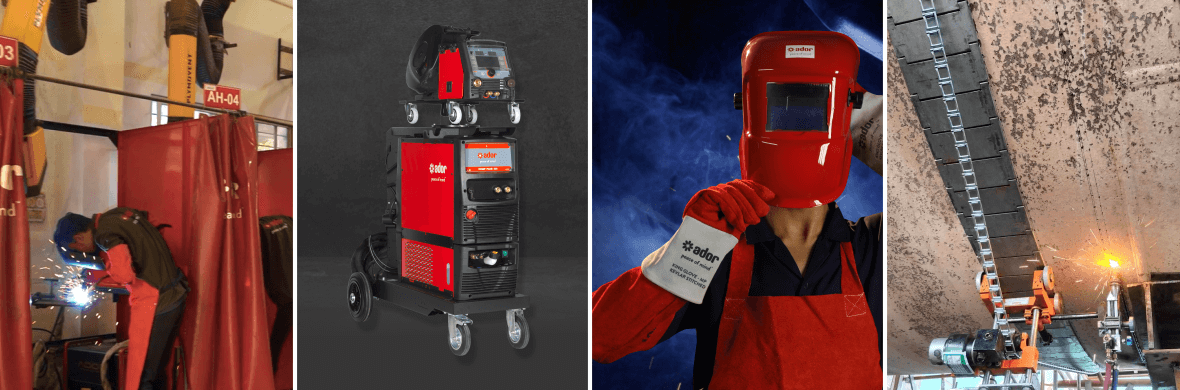
- SMAW (Shielded Metal Arc Welding): The go-to for field work. Runs on diesel or gas, no shielding gas needed, and compatible with a wide range of base metals. Slower than wire processes, but that rarely matters on-site.
- GMAW/MIG: Where speed matters on straightforward geometries, MIG covers ground fast. Deposition rates are higher than SMAW, and quality holds steady across long runs.
- FCAW (Flux-Cored Arc Welding): Good penetration and strong deposition rates for construction and earthmoving equipment. Metal-specific limitations apply, but within those, it performs well.
- SAW (Submerged Arc Welding): The most productive option for flat, large-area work in a controlled environment. Very high deposition rates, deep penetration, and the unused flux can be recovered and reused.
- GTAW/TIG: Slow, but precise. You get next to no dilution, no slag to chase, and a clean deposit, which is exactly what you need when the component geometry is tight or the alloy pairing is sensitive to contamination.
- PTA (Plasma Transferred Arc): At the high end in terms of both quality and cost. Dilution stays low, deposit thickness is consistent, and the process can handle complex alloy powders that other methods cannot. Standard in nuclear and aerospace applications.
Hardfacing Materials: Matching Alloy to Wear Type
Selecting by hardness rating alone is a common mistake. What actually drives performance is microstructure, how the carbides are distributed through the deposit, and whether the alloy’s failure mode matches the wear it’s facing.
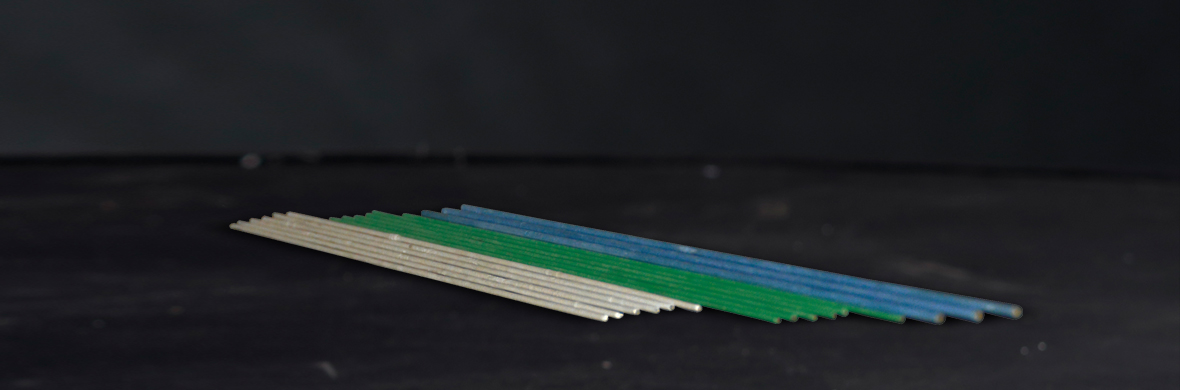
- Carbide-based alloys: (tungsten carbide and chromium carbide): Standard for heavy mineral abrasion such as mining, drilling, earthmoving. Tungsten carbide leads in pure abrasion resistance. Chromium carbide is more broadly applicable and accounts for a significant share of industrial hardfacing deposits globally.
- Cobalt-based alloys: When a component runs hot and still needs to resist wear, cobalt holds hardness at temperatures that push iron-based alloys past their limit.
- Nickel-based alloys: The right call where corrosion and wear are happening together, especially in chemical processing, offshore, and marine environments.
- Iron-based alloys: Cost-effective and versatile. Austenitic manganese types within this group work-harden during service, meaning the surface gets harder the more it’s hit, which is well-suited to crusher liners and high-impact wear.
Where Hardfacing Is Used
The range of applications is wide. Hardfacing is used wherever metal surfaces meet sustained wear and replacement costs outweigh the cost of protection.
- Mining and earthmoving, where excavator buckets, crusher liners, drill bits, and conveyor components are heavily used.
- In construction, it is for bulldozer blades, mixer paddles, and cutting edges.
- Cement and power plants rely on grinding rollers, fan blades, and kiln components.
- Oil and gas need valves, pump housings, and downhole drilling tools.
- Agriculture relies on ploughshares, harvester blades, and soil-engaging tools.
In many of these sectors, hardfacing is built into the maintenance cycle from the start, applied to new components before service to push out the first refurbishment interval.
Hardfacing vs Cladding
Both processes deposit material onto a base metal surface. The difference is purpose. Actually, confusing the two isn’t just a terminology issue; it’s a reliability and safety risk.
Hardfacing targets wear resistance: abrasion, impact, and erosion. The alloys are hard, the surface finish is secondary, and the application is always in high-wear environments.
Cladding targets corrosion or chemical protection. Stainless steel or nickel alloys go on top of a base metal to keep chemical attack out.
Unlike hardfacing, even a small amount of base metal diluting into the overlay can break down the corrosion resistance, so the process demands much tighter control over how much the two metals mix.
Using a hardfacing alloy where corrosion is the primary threat, or cladding where abrasion is, leads to premature failure regardless of how well the weld was executed.
Conclusion
The right alloy for the wear type, the right technique for the application, proper preparation, and controlled heat input, when these align, a hardfaced surface can outlast the original by two to three times.
For operations where wear is predictable and downtime is costly, hardfacing is less of an option and more of a standard part of how equipment is maintained.
FAQs
1. What is hardfacing in welding?
Hardfacing is a welding process where a wear-resistant alloy is deposited onto a base metal surface to protect it from abrasion, impact, erosion, or heat. It can be applied to new components as a preventive measure or to restore worn ones.
2. How does the hardfacing process work?
The base metal is cleaned, preheated if required, and a compatible alloy is deposited using a chosen welding method. The alloy fuses metallurgically with the base metal to form a hard, bonded wear-resistant layer 1 to 10 mm thick.
3. What are the main benefits of hardfacing?
It extends component service life by two to three times, reduces replacement costs by 25–75% compared to full part replacement, and cuts production downtime by reducing how often critical wear parts need attention.
4. What materials are used in hardfacing?
The most common hardfacing materials are carbide-based alloys (tungsten and chromium carbide), cobalt-based alloys for high-temperature wear, nickel-based alloys for corrosive environments, and iron-based alloys for general-purpose applications.
5. Where is hardfacing commonly used?
Mining, earthmoving, cement and power plants, oil and gas, construction, and agriculture are the primary sectors. Any application where metal surfaces face sustained abrasion, impact, or erosion is a candidate.
6. What is the difference between hardfacing and cladding?
Hardfacing is applied to resist wear, abrasion, impact, and erosion. Cladding is applied to resist corrosion or chemical attack. The alloys, dilution requirements, and target environments are different, and the two are not interchangeable.